When Your Washing Machine Takes Forever to Finish
Few things are more frustrating than starting a load of laundry and discovering your washing machine is still running an hour or two later. For Winnipeg homeowners juggling busy schedules, a slow washing machine wastes valuable time and increases energy and water costs. Understanding why your washer is taking too long to complete a cycle is the first step toward getting it fixed.
Extended wash cycles are not just an inconvenience; they can be a symptom of an underlying mechanical or electrical issue that will worsen over time if left unaddressed.
Common Causes of Slow Wash Cycles
1. Low Water Pressure
Your washing machine depends on adequate water pressure to fill the drum quickly. When pressure drops, the fill phase takes significantly longer, which extends the entire cycle. In Winnipeg, low water pressure can result from:
- Municipal water supply issues during high-demand periods
- Partially closed shut-off valves behind the washer
- Frozen or partially frozen pipes during harsh winter months
- Kinked or clogged supply hoses connecting to the machine
2. Faulty Water Inlet Valve
The water inlet valve controls the flow of hot and cold water into your machine. When this valve begins to fail, it may restrict water flow even when the pressure is adequate. Symptoms include:
- Slow or inconsistent filling
- Only hot or cold water entering the drum
- Humming or buzzing sounds during the fill cycle
- The machine failing to fill at all
3. Cold Incoming Water Temperature
During Winnipeg’s brutal winters, the temperature of incoming water from the municipal supply drops dramatically. If you select a warm or hot wash cycle, your machine must heat this near-freezing water to the correct temperature, which adds considerable time to the cycle.
4. Clogged Drain Filter or Pump
A clogged drain filter restricts water from leaving the drum efficiently. The machine may pause repeatedly while attempting to drain, extending the cycle by 30 minutes or more. Common items that clog the filter include:
- Coins and small objects from pockets
- Lint and fabric fibres
- Hair ties and bobby pins
- Soap residue and mineral deposits
5. Unbalanced or Oversized Loads
Modern washers include load-sensing technology that detects imbalances during the spin phase. When an imbalance is detected, the machine stops spinning, adds water, redistributes the load, and tries again. This can add significant time to every cycle.
6. Faulty Timer or Control Board
The timer or electronic control board dictates how long each phase of the wash cycle lasts. A malfunctioning timer may get stuck on a particular phase or fail to advance properly, causing the cycle to run indefinitely.
How to Diagnose the Problem
Check Water Pressure
Turn on a faucet near the washing machine and observe the flow. If the water pressure seems low, check that the shut-off valves behind the washer are fully open. Inspect the supply hoses for kinks or blockages.
Inspect the Drain Filter
Most front-load washers have an accessible drain filter at the bottom front of the machine. Open the access panel, place a towel underneath, and carefully remove the filter. Clean out any debris and replace the filter securely.
Monitor the Fill Phase
Start a wash cycle and observe how long the machine takes to fill. If the fill phase alone takes more than 10 to 15 minutes, the water inlet valve or supply pressure may be the issue.
Listen for Unusual Sounds
Humming, buzzing, or clicking during the fill or drain phase can indicate a failing valve or pump motor. These sounds often precede a complete failure.
Check for Error Codes
Many modern washing machines display diagnostic error codes that can help pinpoint the issue. Consult your owner’s manual for code definitions specific to your model.
Winnipeg-Specific Considerations
Living in Winnipeg introduces unique factors that can affect wash cycle duration:
- Winter pipe temperatures: Insulate exposed pipes to maintain water flow and reduce heating time
- Seasonal water pressure changes: Municipal pressure can fluctuate during peak usage and extreme cold
- Energy costs: Extended cycles increase both water and electricity consumption, impacting your Manitoba Hydro bill
- Hard water effects: Mineral buildup from Winnipeg water can restrict valves and reduce flow over time
When to Call a Professional
While some issues like cleaning the drain filter or checking water pressure can be handled at home, others require professional expertise:
- Water inlet valve replacement requires disconnecting water lines and electrical connections
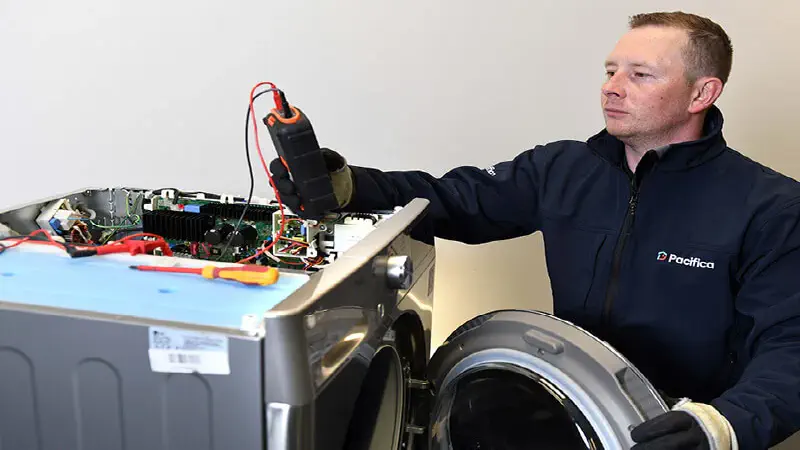
- Control board diagnostics need specialized testing equipment
- Pump motor repair involves accessing internal components safely
- Timer replacement must match your specific washer model exactly
A qualified Winnipeg washing machine repair technician can diagnose the root cause efficiently and perform the repair correctly the first time.
Stop Wasting Time on Slow Wash Cycles
A washing machine that takes too long to wash is more than an annoyance; it is a sign that something needs attention. Addressing the issue promptly can save you time, money, and prevent a more serious breakdown.
If your washing machine is running slow cycles, contact a professional washing machine repair service in Winnipeg today. Our technicians will diagnose the problem and get your washer back to full speed so you can get on with your day.