Washing Machine Water Damage Restoration in Winnipeg
A washing machine flood is one of the most common causes of residential water damage in Winnipeg. Whether it is a burst supply hose, a failed drain pump, an overflowing drum, or a cracked internal tub, the result can be devastating: soaked floors, damaged walls, ruined belongings, and the very real threat of mould growth.
If your washing machine has caused water damage in your Winnipeg home, taking fast, decisive action is critical. This guide walks you through the entire restoration process, from emergency response to complete recovery.
Immediate Steps After a Washing Machine Flood
The first minutes and hours after discovering water damage are the most important. Here is exactly what to do:
1. Stop the Water Source
- Turn off the water supply valves behind the washing machine (turn clockwise to close)
- If you cannot reach the valves, shut off the main water supply to your home
- Do not touch electrical outlets or switches if you are standing in water
2. Disconnect Power Safely
- Turn off the circuit breaker for the laundry area and any affected rooms
- Do not unplug appliances while standing in water
- If the electrical panel is in the flooded area, call Manitoba Hydro or an electrician for assistance
3. Remove Standing Water
- Use a wet/dry vacuum to extract as much water as possible
- Mop and towel up remaining water
- If the flooding is severe, consider renting a sump pump from a Winnipeg hardware store
4. Begin Drying Immediately
- Open windows if weather permits (spring and summer in Winnipeg)
- Set up fans and dehumidifiers throughout the affected area
- Remove wet rugs, towels, and moveable items to dry separately
- Lift furniture off wet carpet using aluminium foil or plastic blocks
The Professional Water Damage Restoration Process
For significant water damage, professional restoration companies in Winnipeg follow an industry-standard process:
Assessment and Inspection
- Moisture mapping using specialized meters to identify all affected areas
- Thermal imaging to detect hidden moisture behind walls and under floors
- Classification of the damage severity from Category 1 (clean water) to Category 3 (contaminated water)
Water Extraction
- Industrial-grade water extractors and pumps remove standing water rapidly
- Carpet extraction tools pull water from carpet fibres and padding
- Sub-surface extraction addresses water trapped beneath hard flooring
Structural Drying
- Commercial dehumidifiers and air movers are strategically placed
- Drying equipment runs continuously for three to five days or longer
- Daily moisture readings track progress until target levels are reached
- In Winnipeg’s cold winter months, supplemental heating may be needed to aid the drying process
Demolition and Removal
- Saturated drywall is cut out at least 30 centimetres above the water line
- Wet insulation is removed from wall cavities
- Damaged carpet padding is typically discarded (carpet may be salvageable)
- Damaged baseboards, trim, and cabinetry are removed
Mould Prevention and Remediation
- Antimicrobial treatments are applied to all affected surfaces
- If mould has already begun growing, professional mould remediation is performed
- Air scrubbers with HEPA filters clean airborne mould spores
- Final air quality testing confirms the space is safe
Restoration and Rebuilding
- New drywall, insulation, and vapour barrier are installed
- Flooring is repaired or replaced
- Baseboards, trim, and paint are restored to pre-damage condition
- A final inspection ensures all work meets Winnipeg building codes
Winnipeg-Specific Water Damage Considerations
Winnipeg’s climate and housing stock create unique challenges for water damage restoration:
- Winter flooding is complicated by freezing temperatures that can prevent proper ventilation and drying. Restoration companies in Winnipeg use heated drying systems to compensate.
- Older homes in neighbourhoods like Wolseley, West End, and North End may have plaster walls, original hardwood, and older plumbing that require specialized restoration techniques.
- Basement laundry rooms are common in Winnipeg homes, and water damage in basements can be especially difficult to remediate due to limited airflow and moisture migration into concrete foundations.
- Spring thaw combined with a washing machine leak can compound moisture problems, making professional drying even more critical.
Preventing Future Washing Machine Water Damage
After restoration, take these steps to protect your Winnipeg home from future incidents:
- Replace washing machine hoses with braided stainless steel every five years
- Install an automatic water shut-off valve that detects leaks and closes the water supply
- Place a drain pan under your washing machine to catch small leaks
- Never leave your washing machine running when you leave the house
- Schedule regular maintenance with a professional appliance repair technician
- Inspect connections and hoses every few months for signs of wear or moisture
Choosing a Water Damage Restoration Company in Winnipeg
When selecting a restoration company, look for:
- IICRC certification (Institute of Inspection Cleaning and Restoration Certification)
- Experience with residential water damage in Winnipeg homes
- 24/7 emergency response availability
- Direct billing with major insurance companies
- Positive reviews from Winnipeg homeowners
Get Your Washing Machine Fixed to Prevent Future Flooding
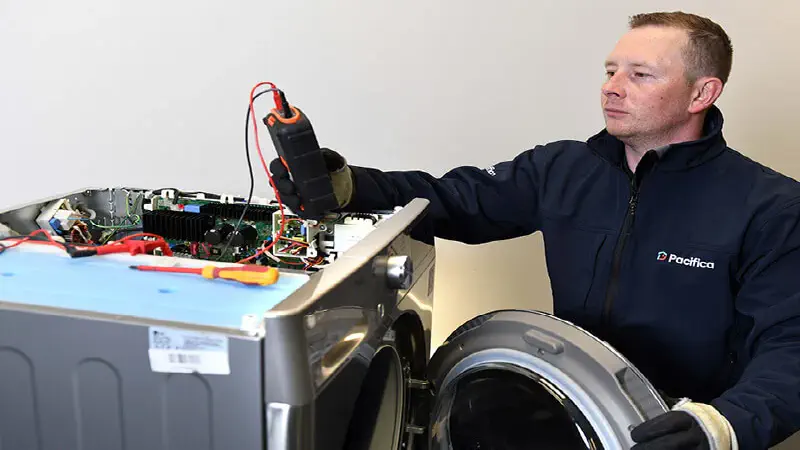
Water damage restoration addresses the aftermath, but fixing the root cause is equally important. Our Winnipeg washing machine repair team can diagnose exactly what went wrong with your washer and make the necessary repairs to ensure it does not happen again. Contact us today to schedule a washing machine inspection and repair in Winnipeg – protecting your home starts with a properly functioning washing machine.